
Neuriva vs Prevagen 2026: Two Bottles, Two Trials, One Clearer Picture
Neuriva and Prevagen are the two best-selling memory supplements in the United States, and they have more in common than their commercials suggest. Each rests on exactly one small, manufacturer-sponsored trial. Neuriva’s 42-day study beat placebo on 5 of 21 memory tasks. Prevagen’s 90-day study missed its primary endpoint for the group as a whole. Neither product is proven to improve memory for the average user, and each carries a marketing-settlement in its history, though of very different sizes. The differences, and they are real, come down to which trial was cleaner, which legal record is heavier, and what sits beside the star ingredient in each capsule.
Written and fact-checked by RecallPath Editorial Team. Last updated: . About our editorial process.
- The formulas: Neuriva pairs 100 mg coffee fruit extract with 100 mg phosphatidylserine. Prevagen pairs 10 to 40 mg apoaequorin with 50 mcg of vitamin D3.
- The trials: Neuriva’s study won 5 of 21 outcomes. Prevagen’s won none of its nine primary tasks for the full group. Neuriva’s is the better trial.
- The legal records: Neuriva settled a 2020 class action over “clinically proven” for a reported $8 million. Prevagen lost a 2024 jury verdict that barred all eight of its challenged claims nationwide.
- The prices: Neuriva Original runs about $30 a month. Prevagen runs $39.95 to $89.95 depending on variant.
- The verdict: if you must pick one, pick the one with the better trial and the lighter court file. That is Neuriva Original. If you want proven-effect dosing, skip both and buy the ingredients with real data.
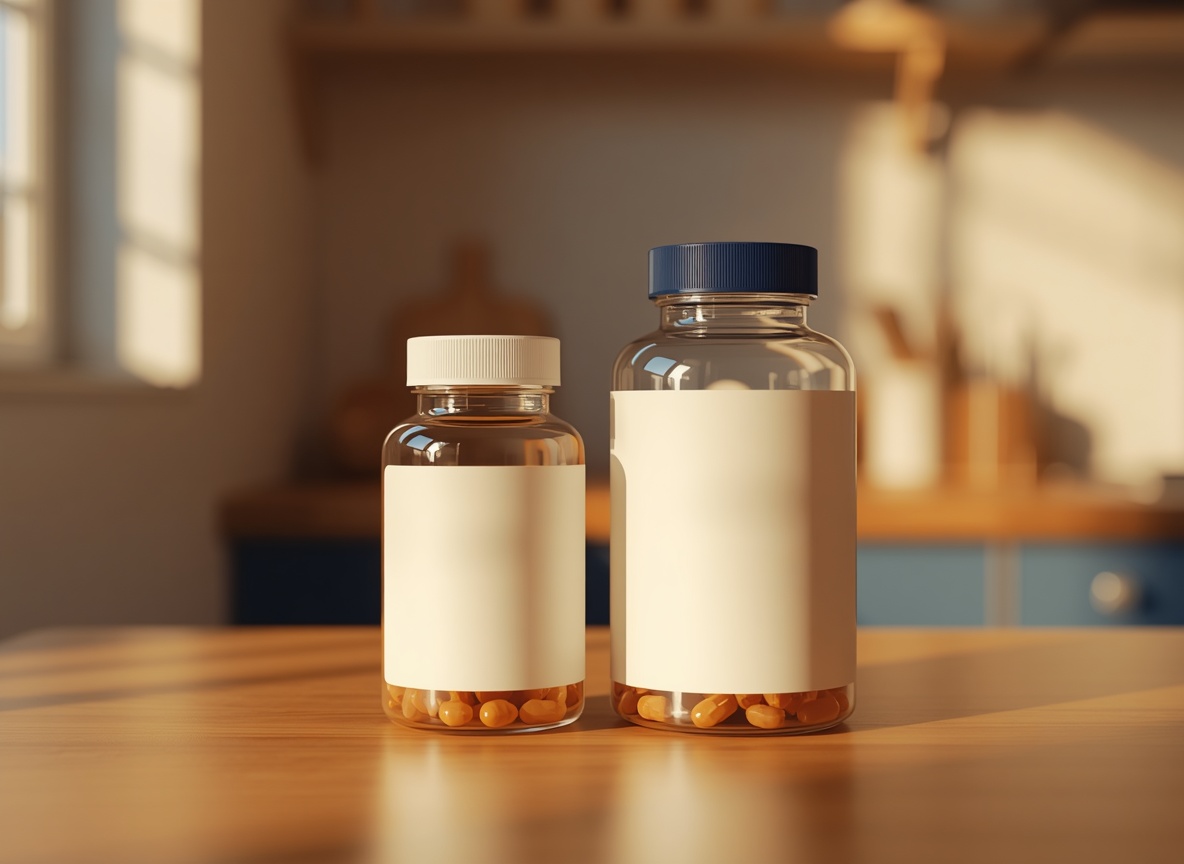
Side by side
| Criterion | Neuriva (Original) | Prevagen (Regular) |
|---|---|---|
| Maker | Schiff Vitamins (Reckitt) | Quincy Bioscience |
| Star ingredient | Coffee fruit extract, 100 mg | Apoaequorin, 10 mg |
| Second ingredient | Phosphatidylserine, 100 mg (has its own human trial data) | Vitamin D3, 50 mcg |
| Caffeine | Under 4 mg trace per dose | None |
| The trial | 138 adults, 42 days: 5 of 21 tasks beat placebo; no BDNF effect | 218 adults, 90 days: no significant effect on any of 9 tasks overall |
| Legal record | 2020 class action, settled for a reported $8M with marketing changes | FTC and NY AG case; 2024 jury verdict; nationwide injunction on 8 claims; appeal pending |
| Price per month | About $30 | $39.95 Regular; $59.95 Extra Strength; $89.95 Professional |
| Refund window | Per retailer policy | 45-day money-back guarantee |
| Regulatory flag | None on the public record for the ingredient | FDA warned in 2012 that apoaequorin is a “new drug” (per ConsumerLab) |
The trial comparison: where the contest is actually decided
Neuriva: Doma et al., 2023
Design. Randomized, double-blind, placebo-controlled. 138 adults aged 40-65 with self-reported memory problems, 42 days, manufacturer-sponsored.
Scoreboard. 5 of 21 COMPASS outcomes beat placebo, concentrated in numeric working memory. No effect on BDNF, everyday memory ratings, or sustained attention.
Authors’ caveat. The placebo effect accounted for 6 to 100 percent of responses; larger independent trials are needed.
Prevagen: the Madison Memory Study
Design. Randomized, placebo-controlled. 218 adults aged 40-95, 90 days, company employees as authors.
Scoreboard. No statistically significant benefit over placebo on any of the nine computerized tasks for the group as a whole. A post-hoc subgroup of 97 participants supplied the positive signal.
Judicial footnote. The Second Circuit noted the overall null result in reinstating the FTC’s case; a 2024 jury then found the claims lacked scientific support.
Read side by side, the two trials tell the same story with different endings: small samples, industry funding, task-specific effects that shrink under scrutiny. Neuriva’s simply shrank less.
The legal records, in one strip
Neuriva: the $8M settlement
A 2020 class action challenged “clinically proven to fuel brain performance.” Reckitt settled for a reported $8 million with buyer compensation and marketing changes, per Top Class Actions’ coverage. The product stayed on shelves with softened language.
Prevagen: the jury verdict
The FTC and New York Attorney General sued in 2017. After a 2019 Second Circuit reversal and a full trial, a 2024 jury found the claims unsupported, and the court barred all eight challenged marketing statements nationwide. The order’s scope is on appeal as of February 2026.
Price comparison, honestly
Neuriva Original costs about $30 for a month’s supply, a dollar a day. Prevagen starts at $39.95 for Regular Strength and climbs to $89.95 for the Professional 40 mg formula, with a 45-day money-back guarantee that Neuriva’s retail channels do not uniformly match. At the studied doses, Neuriva is the cheaper experiment by about a third. At the “hope they work” doses, both are donations to the placebo effect, and the authors of the Neuriva trial say so themselves.
Which one for which person
You want to try exactly one of these two bottles
Buy Neuriva Original. It has the better trial, the lighter legal record, the lower price, and a second ingredient (phosphatidylserine) that has its own modest human data. Judge it at day 42, the length of its own study, and stop on schedule.
You take blood thinners or blood pressure medication
Neither bottle clears itself. Prevagen’s combination products may shift blood pressure (Merck Manual), and Neuriva’s phosphatidylserine has a theoretical cholinergic interaction. Bring either label to your doctor first, as the manufacturers’ own labels instruct.
You want the strongest evidence per dollar
Skip both. Citicoline at 500 mg improved episodic memory in a 12-week randomized trial (Nakazaki et al., J Nutr, 2021, PMID 33978188), and bacopa at 300 mg has a positive 12-week trial (Stough et al., 2001, PMID 11498727). Neither ingredient is in either bottle. Our best memory supplements of 2026 comparison shows which formulas actually hit those doses.
The verdict
Winner by decision, not knockout
Neuriva vs Prevagen is a contest between two unproven products, and honesty requires saying that first. Within that frame, Neuriva wins on every checkable dimension: a trial that produced real, if narrow, positive results against one that produced none; a settled class action against a lost jury verdict and a nationwide injunction; a $30 price against $40 to $90; and a supporting ingredient with independent human data against a vitamin chaser. If the category’s two giants are your only options, Neuriva Original is the defensible pick for a single 42-day trial. The moment you widen the field past the two giants, both bottles lose to formulas built on citicoline and bacopa at studied doses. The deep dives: our Neuriva review and Prevagen review.
Frequently Asked Questions
Which is better, Neuriva or Prevagen?
On the verifiable record, Neuriva. Its one trial beat placebo on 5 of 21 memory tasks; Prevagen’s one trial missed on all nine primary tasks for the full group. Neuriva also carries the lighter legal history, the lower price, and a second ingredient with independent data. Neither is proven to improve memory for the average user.
Neuriva vs Prevagen: what is the main difference?
The active ingredients. Neuriva pairs coffee fruit extract with phosphatidylserine, a phospholipid with its own modest human trial at this dose. Prevagen relies on apoaequorin, a synthetic jellyfish protein whose only controlled trial found no overall benefit, and which the FDA flagged as a new drug in 2012.
What do Consumer Reports say about Neuriva and Prevagen?
Consumer Reports’ August 2024 supplements guide declined to include Prevagen among products that might help, citing the FTC and New York actions and quoting a Cleveland Clinic physician: “I tell my patients not to take Prevagen.” It did not grant Neuriva a clean bill either: for coffee fruit extract, CR’s own coverage and Pharmacy Times alike judge the evidence insufficient for firm conclusions. ConsumerLab’s independent review is similarly lukewarm on both.
Which is safer, Neuriva or Prevagen?
Neither has a red-flag safety record for healthy adults at label doses over its tested window: 42 days for Neuriva, 90 days for Prevagen at 10 mg. Prevagen’s overall safety, interactions and long-term use are unverified (Merck Manual). Neuriva’s label excludes pregnancy and medical conditions. Both bottles deserve the same five-minute label conversation with a doctor if you take any medication.
Can you take Neuriva and Prevagen together?
No published study has tested the combination, so nobody can say it is safe or useful. There is no compelling reason to stack them: the formulas do not complement each other, both vitamin D doses would add up, and doubling two unproven products doubles the cost of the same uncertainty. Pick one or pick neither.
Focus Factor vs Neuriva vs Prevagen: where does Focus Factor fit?
Focus Factor is the third giant: a multi-ingredient formula with a longer label and, like the other two, no strong proof of memory benefit in its marketing form. Its ingredient count is higher and its doses per ingredient are lower, which is the classic trade-off. A dedicated three-way comparison is on our content roadmap; for now, the same rule applies to all three: studied doses of studied ingredients beat famous brand names.
Is there a third option better than both?
Yes. Formulas built on citicoline 500 mg or bacopa monnieri 300 mg at studied doses carry stronger human evidence than either bottle here, at comparable monthly prices. That is the conclusion the evidence points to, and it is the conclusion our best memory supplements comparison reaches bottle by bottle.
Neuriva vs Prevagen on Reddit and forums: what do users say?
User reports for both products follow the trial data: some report feeling sharper, many report nothing, and a minority report sleep trouble or headaches. Anecdotes are anecdotes, and the placebo effect explained 6 to 100 percent of responses in Neuriva’s own study. For decisions, the controlled trials and court records on this page are the evidence worth weighing.
Sources and References
- Doma et al. – Neuriva placebo-controlled study – Neurol Ther, 2023 (PMC10195946)
- Neuriva efficacy and safety review – Pharmacy Times, 2025
- 7 Supplements That Might Actually Help You – Consumer Reports, 2024
- Does Prevagen really improve memory? – ConsumerLab
- Review of supplements commonly used for dementia – PMC11727725, 2024
- NY AG trial win against Quincy Bioscience – May 2024
- Neuriva class action and settlement – Top Class Actions, 2020
- Second Circuit summary order, FTC v. Quincy Bioscience (Feb 2019)
Need help choosing?
RecallPath does not sell supplements. We publish facts for readers over 40.
Email us