
Neuriva Ingredients: What’s Inside, from Original to Memory 3D
Every Neuriva capsule rests on the same two-ingredient foundation: 100 mg of whole coffee cherry extract and 100 mg of phosphatidylserine, with under 4 mg of caffeine per dose. The Plus and Ultra variants add B vitamins at nutritional doses, and the new Memory 3D swaps in a Sicilian grape extract called Cognicell. RecallPath Editorial Team verified each variant against Pharmacy Times’ clinical review, the manufacturer pages and the published trial literature.
Written and fact-checked by RecallPath Editorial Team. Last updated: . About our editorial process.
- Original (the studied formula): 100 mg whole coffee cherry extract (Neurofactor) plus 100 mg soybean-derived phosphatidylserine (Sharp PS) per capsule. One capsule a day.
- The better-evidenced half: phosphatidylserine, with one caveat: most PS research used 300 mg daily of bovine PS, three times this dose and from a different source (Pharmacy Times).
- The caffeinated-sounding half: coffee fruit extract contains under 4 mg of caffeine per dose and carries a GRAS notice, but human evidence for cognition remains limited.
- Plus and Ultra: add vitamin B6 (1.7 mg), folate (680 mcg DFE) and B12 (2.4 mcg) at daily-value doses. Ultra swaps soy PS for plant-sourced Sharp PS Green.
- Memory 3D (launched September 2025): Cognicell, a Sicilian grape extract, plus Neurofactor and the B vitamins. The youngest formula, with no published product trial yet.
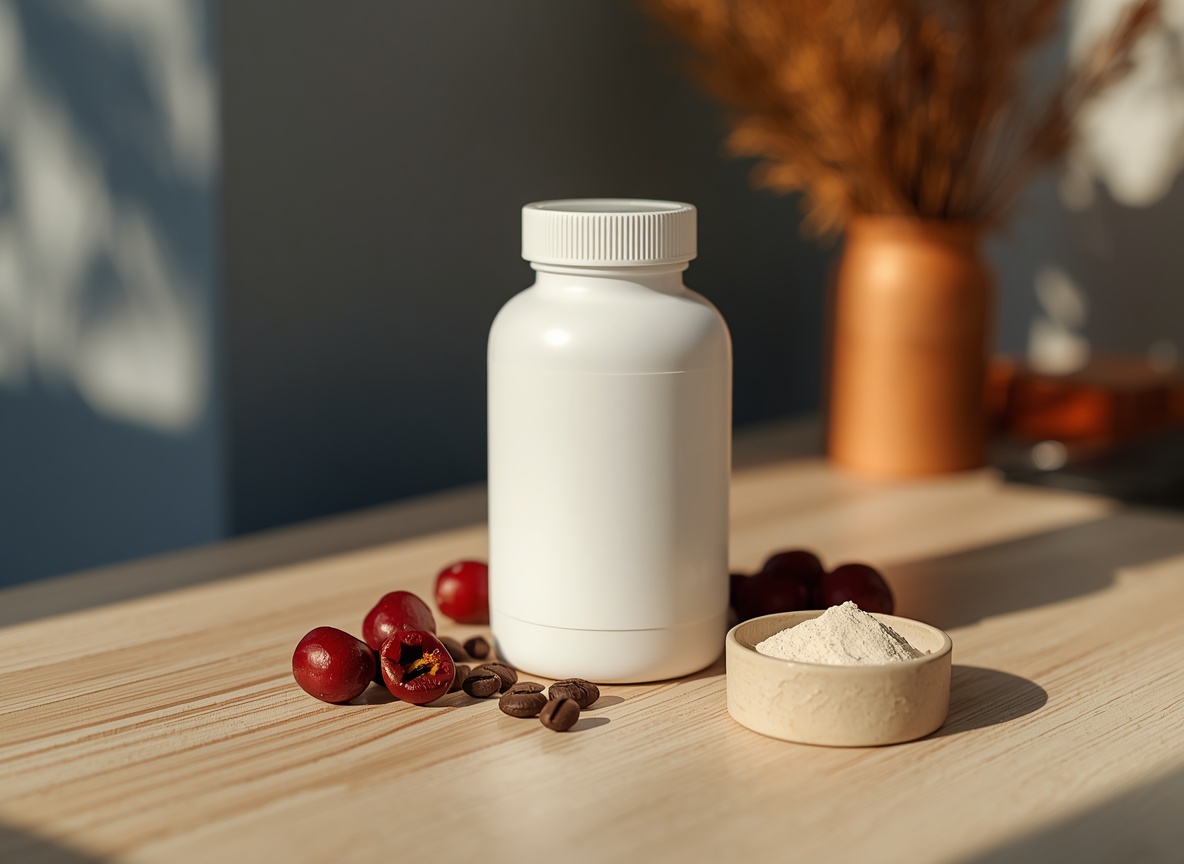
The Original formula, line by line
Phosphatidylserine: the better-evidenced half, with a catch
100 mg of a phospholipid your brain is built from
What it is. Phosphatidylserine is a phospholipid concentrated in brain cell membranes, where it supports membrane structure and neuronal signaling. The Neuriva form is soybean-derived (Sharp PS).
What the evidence says. This is the one ingredient in the bottle with human trial data at or near this dose. Kato-Kataoka et al. (2010, PMID 20492494) gave 100 mg daily of soy-derived PS for six months to elderly adults with memory complaints and found improved delayed verbal recall in a subgroup with low baseline performance. Honest framing: modest effect, specific subgroup, one trial.
The catch Pharmacy Times flags. Most phosphatidylserine research used 300 mg daily, three times Neuriva’s dose, and most of it used bovine-derived PS rather than soy. The 2025 Pharmacy Times review states the evidence for soy-derived PS at this dose is “more sparse and less clear.” The ingredient is real and plausible; the exact match between this dose, this source and proven benefit is thinner than the shelf talk suggests.
Interaction note. PS may raise acetylcholine levels, which creates a theoretical interaction with cholinergic and anticholinergic drugs. Bring the label to your doctor if you take either class.
Coffee fruit extract: the branded half
Neurofactor, or whole coffee cherry extract
What it is. Neurofactor is a branded whole coffee cherry extract, pulled from the red fruit that surrounds the coffee bean, not the bean itself. It is marketed as decaffeinated, and third-party reviews put the residual caffeine under 4 mg per dose. The extract is reported to be high in polyphenols.
The mechanism story. The marketing theory runs through BDNF, a protein involved in neuron growth and survival. Acute dosing studies have shown BDNF rising after coffee cherry extract; the Neuriva trial itself, however, found no BDNF difference from placebo after 42 days.
The human data. A 2024 randomized, double-blind, placebo-controlled trial of whole coffee cherry extract (Robinson et al., Nutrients) reported improved working memory. That is a real published result. Pharmacy Times’ 2025 verdict still stands: small samples, short durations, mixed results, and insufficient reliable evidence for firm conclusions. One ingredient, one promising trial, one failed biomarker in the product’s own study.
What’s in Neuriva Plus and Ultra
The B-vitamin variants
Plus. Doubles the coffee fruit extract to 200 mg, keeps phosphatidylserine at 100 mg, and adds vitamin B6 (1.7 mg, 100 percent daily value), folate (680 mcg DFE, supplied as 400 mcg folic acid) and vitamin B12 (2.4 mcg, 100 percent daily value), per Pharmacy Times’ counseling review.
Ultra. The same B-vitamin stack with plant-sourced Sharp PS Green instead of soy-derived PS, per Schiff’s product pages. For buyers avoiding soy, Ultra is the soy-free route into the line.
What the additions mean. B6, folate and B12 at these doses support normal homocysteine metabolism, and elevated homocysteine is a recognized, fixable contributor to cognitive complaints. But these are nutritional doses of standard vitamins, available in any multivitamin. Neither Plus nor Ultra has its own published trial.
Memory 3D: the newest formula
Cognicell enters the line
Launched September 4, 2025, Neuriva Memory 3D replaces phosphatidylserine with Cognicell, a Sicilian grape extract marketed for short- and long-term memory, and keeps Neurofactor for working memory, plus the B6, B12 and folate stack (PR Newswire launch release). The three-dimensional marketing maps neatly onto the three memory types. The evidence record for the formula is its youngest feature: Cognicell has early clinical testing behind it per the manufacturer, but no peer-reviewed trial of Memory 3D as a product exists yet.
What is not in Neuriva
No caffeine beyond the trace, no stimulants, no bacopa monnieri, no citicoline, no ginkgo. The formula is deliberately two-ingredient, which makes label reading easy and stacking mistakes unlikely. It also means the bottle’s ceiling is set by those two ingredients: one with modest human data at this dose, one with a promising but unsettled record. If your goal is the best-evidenced combination in the category, the missing names matter: citicoline 500 mg and bacopa 300 mg both have positive 12-week trials, and neither is in any Neuriva variant. Our phosphatidylserine 100 mg guide compares this dose against the rest of the shelf, and the Neuriva vs Prevagen comparison sets the same label discipline against the category’s other giant.
The bottom line
Neuriva’s label is short, honest and fully disclosed: two actives in Original, plus B vitamins in Plus and Ultra, plus a grape extract in Memory 3D. The transparency is genuine. The evidence gradient inside the bottle is also real: phosphatidylserine carries the most human data, coffee fruit extract carries the best marketing, and the B vitamins carry the least novelty. None of it is dangerous at label doses for the tested population. None of it is proven either. For what the full evidence picture looks like bottle by bottle, our Neuriva review has the verdict, and our Neuriva side effects page has the safety record.
Frequently Asked Questions
What are the ingredients in Neuriva?
Original: 100 mg whole coffee cherry extract (Neurofactor) plus 100 mg soybean-derived phosphatidylserine (Sharp PS), with under 4 mg caffeine per dose. Plus and Ultra add vitamin B6 (1.7 mg), folate (680 mcg DFE) and B12 (2.4 mcg); Ultra uses plant-sourced PS instead of soy. Memory 3D swaps phosphatidylserine for Cognicell, a Sicilian grape extract.
What is the active ingredient in Neuriva?
Neuriva markets two active ingredients rather than one: Neurofactor coffee fruit extract for working memory support and phosphatidylserine for memory performance. If a single answer is required, phosphatidylserine is the ingredient with the deeper human research record, though at doses and sources that differ from most of the literature.
Does Neuriva have caffeine?
A trace amount only. The coffee fruit extract is marketed as decaffeinated, with third-party reviews reporting under 4 mg of caffeine per dose, compared with 80 to 100 mg in a cup of drip coffee. Caffeine-sensitive users should still take it in the morning, since insomnia is among the reported side effects.
What is in Neuriva Plus?
Double the coffee fruit extract (200 mg), the same 100 mg of soy phosphatidylserine, plus vitamin B6 (1.7 mg, 100 percent daily value), folate (680 mcg DFE, as 400 mcg folic acid) and vitamin B12 (2.4 mcg, 100 percent daily value), per Pharmacy Times’ label review. No separate clinical trial exists for the Plus formula.
What are the ingredients in Neuriva Memory 3D?
Cognicell, a Sicilian grape extract positioned for short- and long-term memory; Neurofactor coffee cherry extract for working memory; and the B6, B12 and folate stack. Memory 3D launched in September 2025 and, as of this writing, has no peer-reviewed trial of the combined formula.
Is Neuriva soy free?
Original and Plus contain soybean-derived phosphatidylserine. Ultra uses plant-sourced Sharp PS Green instead, making it the soy-free option in the line. If soy is an allergy rather than a preference, check the current label before buying, since formulations change.
Where can I see the Neuriva ingredients label?
Schiff Vitamins publishes the ingredient pages and product labels at schiffvitamins.com, including the Ultra and Memory 3D pages. Pharmacy Times’ 2025 review reproduces the Original and Plus composition with clinical commentary, and the 42-day randomized trial (Doma et al., 2023) describes the exact Original formula tested. Third-party summaries like Wholistic Research’s are derivatives of these primary sources.
Which Neuriva variant has the most ingredients?
Memory 3D, with two branded actives (Cognicell and Neurofactor) plus three B vitamins. Plus and Ultra tie for second with five listed ingredients. Ingredient count, of course, is not evidence: only Original has ever been tested as a finished product, in the 42-day Doma trial.
Sources and References
- Neuriva: A Closer Look at the Efficacy and Safety – Pharmacy Times, 2025
- Doma et al. – Neuriva placebo-controlled trial – Neurol Ther, 2023 (PMC10195946)
- Robinson et al. – Whole coffee cherry extract and working memory – Nutrients, 2024
- Neuriva launches Memory 3D with Cognicell and Neurofactor – PR Newswire, September 2025
- Neuriva ingredients – Schiff Vitamins official page
- Neuriva Ultra product label – Schiff Vitamins
- Kato-Kataoka et al. – Soy phosphatidylserine 100 mg, 6 months – J Clin Biochem Nutr, 2010 (PMID 20492494)
Need help choosing?
RecallPath does not sell supplements. We publish facts for readers over 40.
Email us