
Memory Pills: What Works, What Doesn’t and When It’s a Doctor Problem
“Memory pills” cover three completely different things, and most of the confusion comes from treating them as one. There are prescription drugs for diagnosed Alzheimer’s dementia, which ease symptoms but do not stop the disease. There are supplements with genuine trial data, led by citicoline and bacopa. And there are heavily marketed ingredients whose biggest trials came back negative, ginkgo biloba among them. RecallPath Editorial Team sorted the evidence so you can match the right category to your situation, and know when no pill is the right answer.
Written and fact-checked by RecallPath Editorial Team. Last updated: . About our editorial process.
- Prescription drugs (donepezil, memantine): FDA-approved for Alzheimer’s dementia, available only through a doctor, and they improve symptoms without altering the disease course (StatPearls).
- Supplements with positive trials: citicoline 500 mg (12 weeks, n=100, improved episodic memory) and bacopa 300 mg (12 weeks, n=46, improved delayed recall).
- Failed at scale: ginkgo biloba did not reduce dementia or slow decline in a 3,069-person trial (JAMA, 2008-2009); B vitamins do not help people with normal levels.
- Red flags that beat every pill: sudden memory loss, rapid progression, or decline affecting daily life. Those need a doctor before anything from a bottle.
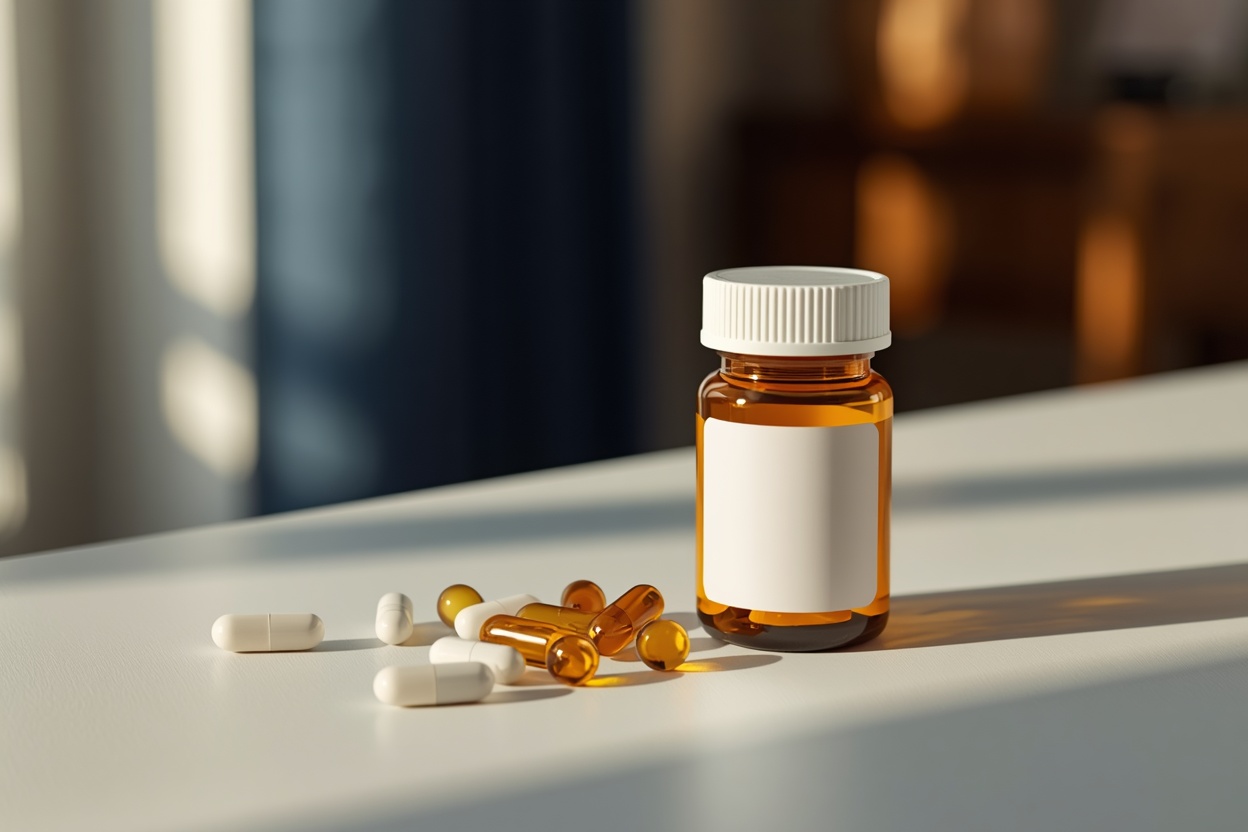
First: which kind of memory pill do you mean?
| Category | What it is | Who it is for |
|---|---|---|
Prescription medication |
Donepezil, memantine and related drugs, prescribed after a diagnosis |
People with Alzheimer’s dementia, under specialist care |
Supplement with trial data |
Citicoline, bacopa monnieri at studied doses |
Adults with mild, gradual, age-related memory concerns |
Supplement with weak or negative data |
Ginkgo, most multibottle blends, “brain boosters” without dose disclosure |
Nobody, at least not for the promised effect |
Not a pill at all |
Untreated B12 deficiency, thyroid problems, poor sleep, medication side effects |
More memory-complaint cases than most bottles admit |
Prescription memory medications: what they actually do
Donepezil and memantine, without the mystery
Donepezil is FDA-approved for mild, moderate and severe Alzheimer’s dementia. Per StatPearls, it has proven benefits for cognition and behavior in those patients, but there is no evidence it alters the underlying course of the disease. Memantine is approved for moderate-to-severe Alzheimer’s, and the two are often combined at that stage (Mayo Clinic).
Three practical points follow. First, these drugs require a diagnosis: they are not for “normal forgetting” and not available over the counter. Second, they treat symptoms; the disease continues. Third, no supplement is a substitute for them in a diagnosed patient, and no prescription is indicated for the mild age-related concerns most pill-searchers actually have. The categories do not compete. They serve different problems.
The supplement evidence, ranked
-
Positive trial
Citicoline – 500 mg daily
A 12-week randomized trial in 100 adults aged 50-85 with age-associated memory impairment found improved episodic memory on 500 mg daily (Nakazaki et al., J Nutr, 2021, PMID 33978188). This is the strongest single modern result behind any over-the-counter memory pill. Detail that decides everything: most formulas halve the dose to 250 mg while citing the same trial. The dose list is in our citicoline guide.
-
Positive trial
Bacopa monnieri – 300 mg daily
The best-evidenced herbal memory ingredient. Stough et al. (Psychopharmacology, 2001, PMID 11498727): 46 adults, 300 mg of standardized extract, 12 weeks, improved delayed word recall. Bacopa is slow: 8 to 12 weeks before judging. The full picture is in our bacopa guide.
-
Modest
Phosphatidylserine – 100 mg daily
A six-month trial in elderly adults with memory complaints found improved delayed verbal recall in a low-baseline subgroup (Kato-Kataoka et al., 2010, PMID 20492494). Real but modest, and the effect concentrated in people who started low.
-
Modest
A daily multivitamin
In an NIH-supported trial of more than 2,200 adults aged 65 and older, a daily multivitamin improved a global cognitive measure over three years (NIH Research Matters, 2023). Modest effect, cheap intervention, sensible default for older adults with imperfect diets.
-
Failed at scale
Ginkgo biloba
The Ginkgo Evaluation of Memory study followed 3,069 adults aged 72-96 taking 240 mg of ginkgo daily for a median of 6.1 years. It did not reduce dementia incidence (DeKosky et al., JAMA, 2008) and did not slow cognitive decline (Snitz et al., JAMA, 2009). This is the largest and longest memory-supplement trial ever run, and the answer was no. Ginkgo also carries a bleeding-interaction profile.
-
No effect in replete adults
B vitamins for memory
Homocysteine-lowering B vitamin trials (B12, folate, B6) show no cognitive benefit in adults with normal or subclinical levels. B12 supplementation matters when deficiency exists, and does nothing measurable when it does not.
What memory-pill marketing gets wrong
The ads imply a missing ingredient. The medical literature points somewhere else first. Roughly 6 percent of adults over 60 are B12 deficient, and low B12 mimics memory loss. Thyroid dysfunction does the same. Poor sleep degrades recall within days. Several common medications list cognitive effects among their side effects. Any of these can sit underneath a “memory problem” label while a bottle of ginkgo waits on the counter. The cheapest real memory intervention is a blood panel and an honest look at sleep, not a checkout click.
When no pill is the right answer
- Sudden memory loss or confusion. Hours to days, not months. Emergency evaluation category.
- Rapid progression over weeks. Supplements work on a scale of months. Faster decline belongs to a doctor.
- Memory loss affecting daily function: missed appointments, repeated questions, getting lost on familiar routes.
- Memory problems with other symptoms: personality change, hallucinations, gait change, incontinence.
- Memory loss after a new medication. Ask the prescriber before adding anything else.
Frequently Asked Questions
What pill is good for memory loss?
It depends on the cause. For diagnosed Alzheimer’s dementia, doctors prescribe donepezil or memantine, which ease symptoms. For mild, gradual, age-related memory concerns, the over-the-counter ingredients with real trial data are citicoline 500 mg and bacopa 300 mg, both judged at 12 weeks. For a memory problem with a medical cause, the right pill might be a B12 correction or a medication adjustment, decided by a doctor.
Is there a medication for memory loss?
Yes, but only for diagnosed dementia. Donepezil is approved for mild through severe Alzheimer’s and memantine for moderate-to-severe disease. They improve cognition and behavior but do not stop the disease. There is no prescription medication approved for ordinary age-related forgetfulness.
Do memory pills actually work?
A small number do, for a specific situation. Citicoline and bacopa have positive randomized trials in adults with age-related memory concerns, at specific doses, over 12 weeks. Ginkgo, the most famous memory herb, failed its 3,069-person trial. Most branded blends sit below the studied doses of their own cited trials.
What is the best memory pill for seniors?
By trial data, a formula built on citicoline 500 mg plus bacopa 300 mg, judged at 12 weeks. Before buying anything, seniors should test B12, because deficiency is common after 60 and mimics memory loss. Our comparison of formulas that meet the dose standard is in the best memory supplements guide.
Is ginkgo biloba good for memory?
The largest trial says no. The Ginkgo Evaluation of Memory study, 3,069 adults aged 72-96 on 240 mg daily for a median 6.1 years, found no reduction in dementia incidence and no slowdown in cognitive decline. Smaller studies show mixed results, but the flagship evidence failed. Ginkgo also interacts with blood thinners.
How fast do memory pills work?
The studied ingredients work on an 8-to-12-week clock, and the positive trials measured their primary outcomes at 12 weeks or later. Anything promising meaningful memory improvement in days is describing a stimulant effect, not a memory effect. Judge any trial honestly at the 12-week mark.
Are memory pills safe with other medications?
The main documented concerns: citicoline can oppose anticholinergic drugs and amplify levodopa; bacopa interferes with liver enzymes that metabolize certain antidepressants; ginkgo adds bleeding risk on blood thinners. Bring the label to your doctor or pharmacist. It is a five-minute conversation that replaces a guess.
Sources and References
- Donepezil – StatPearls, NCBI Bookshelf
- Alzheimer’s treatments – Mayo Clinic
- DeKosky et al. – Ginkgo Evaluation of Memory – JAMA, 2008
- Snitz et al. – Ginkgo and cognitive decline – JAMA, 2009
- Daily multivitamin improves cognition in older adults – NIH Research Matters, 2023
- Nakazaki et al. – Citicoline and memory – J Nutr, 2021 (PMID 33978188)
- Stough et al. – Bacopa and delayed recall – Psychopharmacology, 2001 (PMID 11498727)
Need help choosing?
RecallPath does not sell supplements. We publish facts for readers over 40.
Email us