
Knee Pain After 50: Causes, Relief Options and Warning Signs
Knee pain after 50 is common, but it is not a life sentence. The most frequent cause is knee osteoarthritis, where cartilage thins after decades of load. The strongest drug-free evidence points to three things: knee braces, water therapy and regular exercise, per a 2026 PLOS One network meta-analysis of 139 randomized trials covering 9,644 people. Supplements such as glucosamine and chondroitin have mixed but real data for some patients. This guide covers the causes, what works and the warning signs that mean you need a doctor.
Written and fact-checked by RecallPath Editorial Team. Last updated: . About our editorial process.
- How common: 70 percent of U.S. adults aged 50 to 80 report joint pain (University of Michigan National Poll on Healthy Aging, 2022).
- Best-supported relief: knee braces, water therapy and exercise ranked top in a 2026 network meta-analysis of 139 trials with 9,644 participants.
- Load factor: each knee absorbs about 1.5 times your body weight with every step (WebMD, 2021).
- Supplements: glucosamine plus chondroitin helped a moderate-to-severe pain subgroup in the GAIT trial (n=1,583). Results are mixed for mild pain.
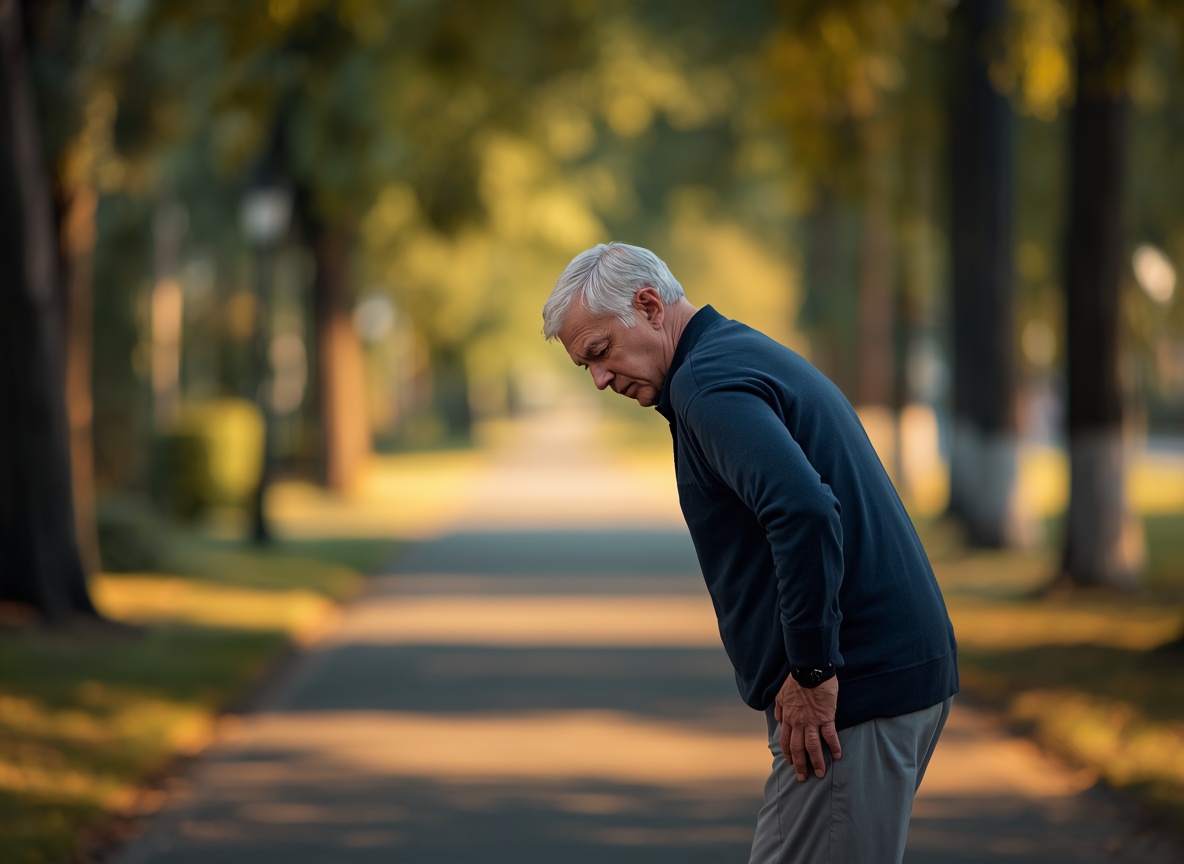
Why knees hurt after 50
The knee is the largest joint in the body and a weight-bearing one. With every step, each knee absorbs roughly 1.5 times your body weight. Over decades, that load adds up. The articular cartilage that coats the bone ends thins. The menisci, two rubbery pads that cushion the joint, lose resilience. The thigh and hip muscles that stabilize the knee weaken unless they are trained.
Osteoarthritis is the endpoint of this wear pattern for many people. More than 32.5 million U.S. adults live with osteoarthritis (AARP, citing CDC data), and the knee is one of its most common sites. Stiffness in the morning, pain on stairs and a dull ache after sitting are its classic signs.
Women feel this earlier and more often. A study of women aged 50 and older published in Arthritis & Rheumatism found nearly two-thirds reported knee pain during the 12-year follow-up (Harvard Health, 2022). Falling estrogen around menopause changes joint lubrication and muscle recovery, which adds to the load.
The most common causes
Knee osteoarthritis
The leading cause after 50. Cartilage wears down, the joint space narrows and bone spurs can form. Pain is typically worse after activity and after long rest. It usually builds slowly over years.
Old injuries catching up
A meniscus tear or ligament sprain from decades ago can leave the joint slightly unstable. That accelerates cartilage loss. Prior knee injury is one of the strongest predictors of osteoarthritis later in life (Harvard Health, 2022).
Tendinitis and bursitis
Inflammation of tendons or the small fluid sacs around the knee. Usually linked to overuse or a sudden increase in activity. Often improves with rest, ice and load management.
Inflammatory arthritis and gout
Rheumatoid arthritis attacks the joint lining and usually hits several joints at once, often with warmth and prolonged morning stiffness. Gout causes sudden, severe attacks with redness and swelling. Both need medical treatment, not home care alone.
Weak supporting muscles and excess weight
Underused quadriceps and glutes transfer more force into the joint. Extra body weight multiplies the load with every step. Both are modifiable, which is good news.
What trials show works
In 2026, researchers published a network meta-analysis in PLOS One pooling 139 randomized controlled trials with 9,644 participants with knee osteoarthritis. It compared 12 non-drug treatments. Knee braces ranked best for reducing pain, improving function and easing stiffness. Water therapy (hydrotherapy) ranked best for pain relief. Traditional exercise improved both pain and physical function (PLOS One, 2026, reported by ScienceDaily and AARP).
| Approach | Evidence summary | Effort level |
|---|---|---|
| Knee braces | Top-ranked for pain, function and stiffness (PLOS One, 2026) | Low |
| Water therapy | Strong for pain relief (PLOS One, 2026) | Moderate |
| Regular exercise | Improves pain and function (PLOS One, 2026) | Moderate |
| Weight loss | Reduces joint load: each step loads the knee at about 1.5 times body weight | High |
| Heat and cold | Standard self-care; heat before activity, cold after flare-ups | Low |
One pattern runs through the data: movement beats rest. Sedentary habits weaken the muscles that protect the joint, and the pain often gets worse, not better. Walking, cycling and swimming all count. Consistency matters more than intensity.
Pain medication has a place, but it carries trade-offs in this age group. Oral NSAIDs raise gastrointestinal and cardiovascular risks, which is exactly why interest in drug-free options has grown (PLOS One, 2026). Decisions about medication belong with your doctor.
Where supplements fit
Glucosamine and chondroitin: the honest version
These two are the most-used joint supplements in the United States. The evidence is genuinely mixed, and any honest guide should say so. The GAIT trial (Clegg et al., NEJM, 2006, n=1,583) found no average benefit for knee osteoarthritis overall, but the combination did help a subgroup with moderate-to-severe pain. The MOVES trial (2016) found the combination comparable to celecoxib for pain and swelling, without the drug side effects.
A 2024 meta-analysis of 25 randomized trials found chondroitin reduced pain and improved function, while glucosamine slowed joint-space narrowing. Combining the two added no benefit over either alone (AARP, 2025).
Verdict: worth a structured trial if you have moderate knee pain, judged over 2 to 3 months. Not a cartilage regrower. Not a replacement for exercise. Our comparison of joint-support options after 50 covers doses, forms and what to check on the label.
Everything else marketed for knee pain, from turmeric to collagen, has weaker or preliminary human data. We track the evidence for each ingredient in our joint pain after 50 guide, updated as new trials publish.
Warning signs: when to see a doctor
Most knee pain after 50 is manageable at home. These signs are not. Get a medical assessment if you notice any of the following.
The knee locks, catches or gives way. That suggests a mechanical problem such as a meniscus tear or loose fragment.
Warmth, redness or swelling that appears quickly. This can signal infection or gout, both of which need prompt treatment.
Pain that wakes you at night or persists at rest. Mechanical wear hurts with use. Pain at rest is a different category.
A visible change in shape or alignment. Bowing inward or outward suggests advanced joint degeneration.
Pain after a fall or impact, or fever with joint pain. Do not wait on these. Rule out fracture and infection first.
Frequently Asked Questions
Is knee pain after 50 normal?
It is common, but it should not be accepted silently. About 70 percent of U.S. adults aged 50 to 80 report joint pain (University of Michigan National Poll on Healthy Aging, 2022). Mild stiffness after inactivity is typical. Pain that limits walking, stairs or sleep is a signal to act, not to endure.
What is the most effective treatment for knee pain in old age?
According to a 2026 PLOS One network meta-analysis of 139 trials with 9,644 participants, knee braces performed best for pain, function and stiffness. Water therapy was best for pain relief, and regular exercise improved both pain and function. The right treatment still depends on the cause, which is why diagnosis comes first.
Can knee osteoarthritis be reversed?
No treatment has been proven to regrow cartilage in a worn knee joint. What works is slowing the progression and reducing the load: strength training, weight management, braces and activity modification. Surgery is an option for advanced cases, but it is not the starting point.
Do glucosamine and chondroitin actually work?
For some people, yes. The GAIT trial (n=1,583) found no average benefit, but the combination helped people with moderate-to-severe knee pain. The MOVES trial (2016) found it comparable to celecoxib. A 2024 meta-analysis of 25 trials supports chondroitin for pain and glucosamine for slowing cartilage loss. Results for mild pain are inconsistent.
Is walking good or bad for knee pain?
For most knee pain after 50, walking helps. It strengthens the muscles that stabilize the joint and supports weight control. Start flat, keep sessions moderate and increase gradually. If walking sharply increases pain or swelling, stop and get the knee assessed before continuing.
Why do women get more knee pain after 50?
Knee osteoarthritis is consistently more common in women, and the gap widens around menopause. Falling estrogen affects joint lubrication, muscle recovery and bone health. A study of women 50 and older found nearly two-thirds reported knee pain over 12 years (Arthritis & Rheumatism, via Harvard Health).
When should I worry about knee pain?
See a doctor if the knee locks, catches or gives way, if you get sudden swelling, warmth or redness, if pain wakes you at night, if the shape of the knee changes, or if pain follows an injury. Any of these signs means the cause needs a professional diagnosis before self-treatment.
Does losing weight really help knee pain?
Yes, and the math is direct. Each knee absorbs about 1.5 times your body weight with every step (WebMD, 2021). Losing 10 pounds removes roughly 15 pounds of load per step, thousands of times a day. Among all treatments, weight loss has the strongest multiplier effect on the joint itself.
Sources and References
- PLOS One 2026 network meta-analysis, reported by AARP – nondrug knee OA treatments
- Nearly 10,000 patients reveal what works for knee arthritis pain – ScienceDaily
- 5 Ways to Take Care of Your Joints After 50 – AARP
- Oh, My Aching Knees – Harvard Health
- Glucosamine, Chondroitin for Osteoarthritis Pain – Arthritis Foundation
- Knee Pain Not Inevitable as You Age – WebMD
Need help choosing?
RecallPath does not sell supplements. We publish facts for readers over 40.
Email us