
Ginkgo Biloba: Does It Still Deserve the Hype?
RecallPath Editorial Team analyzed the GEM study, GuidAge trial and Cochrane 2024 update on ginkgo biloba. Ginkgo showed no dementia prevention benefit in two large RCTs totaling 5,923 adults. The bleeding risk with blood thinners is real and documented.
Written and fact-checked by RecallPath Editorial Team. Last updated: . About our editorial process.
- GEM Study: 3,069 adults aged 75+ took 240 mg ginkgo or placebo for 6.1 years. No reduction in dementia risk. Hazard ratio 1.12 (not significant).
- GuidAge trial: 2,854 European adults aged 70+ took EGb761 for 5 years. No benefit for preventing Alzheimer disease.
- Cochrane Review 2024: Updated analysis found inconsistent evidence. Benefits on cognition remain uncertain.
- Bleeding risk: Ginkgo plus warfarin increased bleeding risk by 38% in a large veterans study. Fifteen case reports link ginkgo to serious bleeding, including eight intracranial hemorrhages.
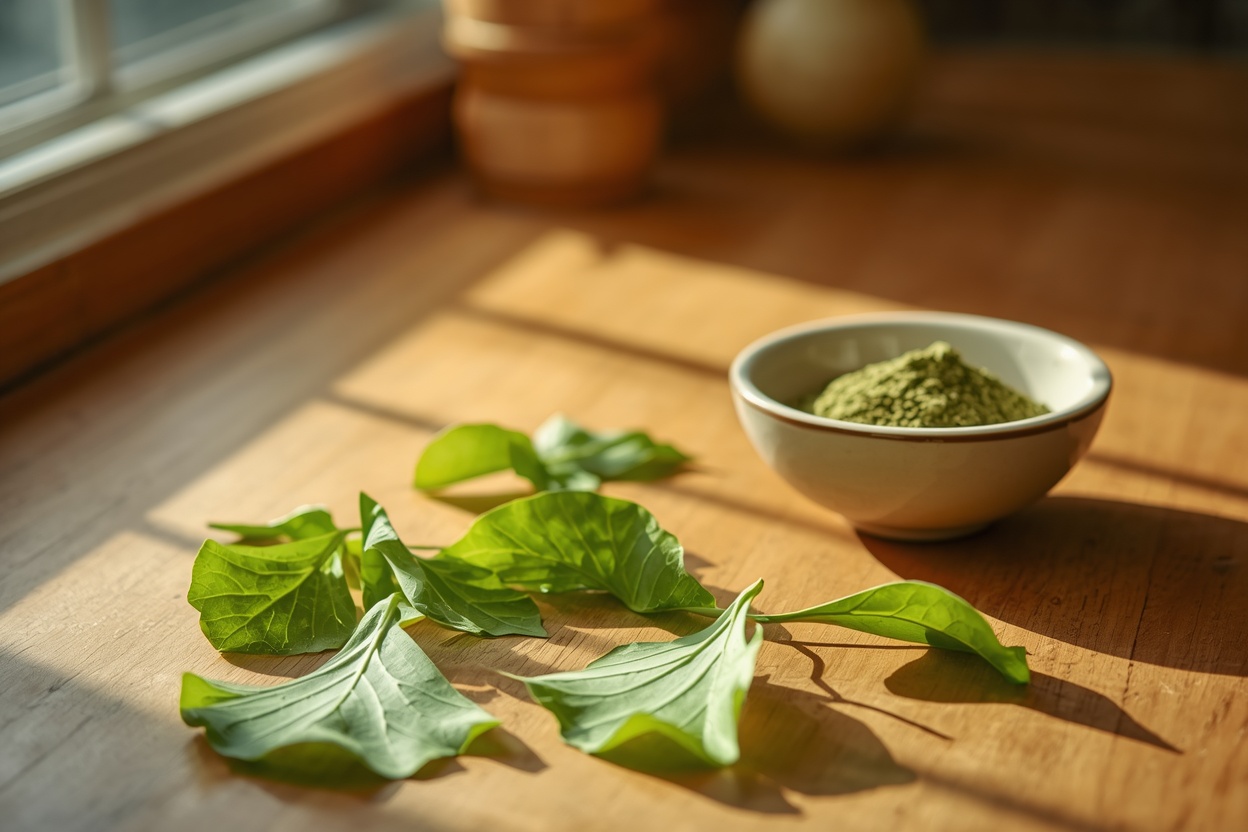
What the label claims
Ginkgo biloba is one of the oldest living tree species. Extracts from its leaves contain flavone glycosides and terpene lactones. The standardized extract EGb761 contains 24% flavone glycosides and 6% terpene lactones. Proponents claim it improves blood flow, acts as an antioxidant and reduces platelet aggregation.
The proposed mechanism for memory is increased cerebral blood flow and reduced oxidative stress in neurons. In vitro studies show anti-amyloid aggregation effects. Animal studies suggest neuroprotection. These laboratory findings created the foundation for ginkgo’s popularity. But laboratory effects do not always translate to human benefits.
The two largest trials: GEM and GuidAge
The GEM Study (2008)
The Ginkgo Evaluation of Memory study was a randomized, double-blind, placebo-controlled trial sponsored by the National Institutes of Health. It enrolled 3,069 community volunteers aged 75 and older across five academic medical centers in the United States. Participants had normal cognition or mild cognitive impairment at entry. They took 120 mg of ginkgo extract twice daily (240 mg total) or placebo for a median of 6.1 years.
Five hundred twenty-three participants developed dementia during follow-up. Two hundred seventy-seven were in the ginkgo group. Two hundred forty-six were in the placebo group. The overall dementia rate was 3.3 per 100 person-years in the ginkgo group and 2.9 per 100 person-years in the placebo group. The hazard ratio for all-cause dementia was 1.12 (95% confidence interval, 0.94 to 1.33; P = .21). For Alzheimer disease specifically, the hazard ratio was 1.16 (95% CI, 0.97 to 1.39; P = .11). Ginkgo also had no effect on the rate of progression to dementia in participants who started with mild cognitive impairment (HR, 1.13; 95% CI, 0.85 to 1.50; P = .39).
The study authors concluded: “Ginkgo biloba at 120 mg twice a day was not effective in reducing either the overall incidence rate of dementia or AD incidence in elderly individuals with normal cognition or those with MCI.”
The GuidAge trial (2012)
The GuidAge study was a parallel European effort. It randomized 2,854 adults aged 70 and older with memory complaints to EGb761 (a standardized ginkgo extract) or placebo for five years. The primary endpoint was conversion to Alzheimer disease. The trial found no significant difference between groups. Ginkgo did not prevent Alzheimer disease in this population.
Cochrane Review (2024 update)
The Cochrane Collaboration updated its systematic review in November 2024. The review included randomized controlled trials comparing ginkgo with placebo for cognitive impairment or dementia. The authors found inconsistent evidence for cognitive benefits. Some small trials showed modest improvements in specific cognitive domains. Larger, well-designed trials showed no benefit. The overall certainty of evidence was low. The review concluded that the benefits of ginkgo for cognition remain uncertain and that more high-quality research is needed.
Why the hype persists
Ginkgo biloba has been used in traditional Chinese medicine for centuries. This history creates a perception of safety and efficacy that clinical trials have not confirmed. The supplement industry markets ginkgo heavily, often citing small, short-term studies while ignoring the large negative trials.
Some users report subjective improvements in memory or mental clarity. These reports are difficult to evaluate because memory fluctuates naturally, placebo effects are strong, and most people do not track their cognition objectively. The GEM study specifically addressed this by using standardized cognitive tests and expert panel adjudication of dementia diagnoses.
The EGb761 extract used in some European trials is a pharmaceutical-grade standardized product. Many over-the-counter ginkgo supplements in the United States do not meet this standard. A 2012 analysis found that some commercial ginkgo products contained little to no ginkgo extract. Quality control issues further undermine the case for ginkgo.
The bleeding risk
Ginkgo biloba reduces platelet aggregation. This mechanism, while theoretically beneficial for circulation, increases bleeding risk. The evidence is substantial and underreported on supplement labels.
A 2015 study of the Veterans Affairs national database analyzed 726,432 patients on warfarin. Nine thousand six hundred one also took ginkgo. After adjusting for time at risk and comorbidities, the hazard ratio for bleeding was 2.08 (95% CI, 1.87 to 2.32; p < .001). A separate analysis by Stoddard et al. found a hazard ratio of 1.38 (95% CI, 1.20 to 1.58; p < 0.001) for bleeding events with concurrent ginkgo and warfarin use.
A 2024 comprehensive review identified 15 case reports linking ginkgo to bleeding events. Eight of these were intracranial hemorrhages. Six reports documented that stopping ginkgo resulted in no recurrent bleeding. Three reports indicated elevated bleeding times in patients taking ginkgo.
Who should avoid ginkgo
Anyone taking warfarin, aspirin, clopidogrel or other anticoagulants or antiplatelet drugs should avoid ginkgo. The combination increases bleeding risk. People scheduled for surgery should stop ginkgo at least two weeks before the procedure. Those with bleeding disorders or a history of hemorrhagic stroke should also avoid it.
Ginkgo vs the alternatives
For memory specifically, the evidence favors other ingredients. Bacopa monnieri has two randomized controlled trials showing improved delayed word recall at 300 mg for 12 weeks. Citicoline has a 2021 trial showing improved episodic memory at 500 mg for 12 weeks. Phosphatidylserine has modest but consistent evidence in elderly adults with memory complaints.
Ginkgo has no positive dementia prevention trials. Its cognitive benefits in healthy adults are inconsistent and small when present. The bleeding risk is real and documented in large databases. For adults over 50 seeking memory support, the risk-benefit profile of ginkgo is unfavorable compared to alternatives.
Who should never take ginkgo
Bleeding risk
Ginkgo reduces platelet aggregation. Concurrent use with warfarin, aspirin, clopidogrel or other blood thinners increases bleeding risk. A large veterans study found a hazard ratio of 1.38 for bleeding with ginkgo plus warfarin.
Surgery
Stop ginkgo at least two weeks before any surgical procedure. The bleeding risk during and after surgery is elevated.
Seizures
Ginkgo seeds contain ginkgotoxin, which can trigger seizures. Commercial leaf extracts contain minimal ginkgotoxin, but people with seizure disorders should avoid ginkgo.
Pregnancy and breastfeeding
Insufficient safety data. Avoid use during pregnancy and lactation due to the bleeding risk.
The bottom line
Ginkgo biloba does not prevent dementia. The two largest prevention trials ever conducted — GEM (n=3,069) and GuidAge (n=2,854) — both found no benefit. The Cochrane Review calls the cognitive benefits uncertain. The bleeding risk is real, particularly for people on blood thinners.
For memory support in adults over 50, the evidence points elsewhere. Bacopa monnieri, citicoline and phosphatidylserine have stronger human trial data and safer profiles. Ginkgo’s $249 million annual sales are built on tradition and marketing, not on clinical trial success.
Frequently Asked Questions
Does ginkgo biloba improve memory?
The evidence is inconsistent. Small, short-term trials have shown modest benefits in specific cognitive domains. The two largest prevention trials — GEM (n=3,069) and GuidAge (n=2,854) — found no benefit for preventing dementia or Alzheimer disease. The Cochrane Review concludes that benefits remain uncertain.
What did the GEM study find?
The Ginkgo Evaluation of Memory study randomized 3,069 adults aged 75 and older to 240 mg ginkgo or placebo for 6.1 years. The ginkgo group had a slightly higher dementia rate (3.3 vs 2.9 per 100 person-years), but the difference was not statistically significant. The hazard ratio was 1.12 (95% CI, 0.94-1.33). Ginkgo did not prevent dementia.
Can ginkgo biloba cause bleeding?
Yes. Ginkgo reduces platelet aggregation. A large veterans study found that ginkgo plus warfarin increased bleeding risk with a hazard ratio of 1.38 (95% CI, 1.20-1.58). Fifteen case reports link ginkgo to serious bleeding, including eight intracranial hemorrhages.
Is ginkgo biloba safe with blood thinners?
No. People taking warfarin, aspirin, clopidogrel or other anticoagulants should avoid ginkgo. The combination increases bleeding risk. Stop ginkgo at least two weeks before surgery.
How does ginkgo compare to bacopa?
Bacopa monnieri has stronger human trial data for memory. Two RCTs found that 300 mg of standardized bacopa improved delayed word recall after 12 weeks. Ginkgo has no positive dementia prevention trials and inconsistent cognitive data. For memory, bacopa is the better choice.
What is EGb761?
EGb761 is a pharmaceutical-grade standardized ginkgo extract containing 24% flavone glycosides and 6% terpene lactones. It was used in some European trials. Many over-the-counter ginkgo supplements in the US do not meet this standard. A 2012 analysis found some products contained little to no actual ginkgo extract.
Should I stop taking ginkgo biloba?
If you are on blood thinners, stop immediately and talk to your doctor. If you are not on blood thinners and have been taking ginkgo for memory, consider switching to an ingredient with stronger evidence, such as bacopa or citicoline. If you see no benefit after 12 weeks, discontinue.
Why is ginkgo still popular if the evidence is weak?
Three reasons: long history in traditional medicine, heavy marketing by the supplement industry, and strong placebo effects. The GEM study was widely publicized in medical journals but received less attention in consumer media. Many ginkgo products continue to market “clinically proven” claims without naming the specific trials.
Sources and References
- DeKosky et al. (2008) — GEM Study, JAMA, PMC2823569
- Cochrane Review (2024) — Ginkgo for Cognitive Impairment, PMID 41641880
- Ginkgo and Warfarin Interaction in Veterans, PMC4765589
- Impact of Ginkgo Biloba Drug Interactions on Bleeding Risk, PMC11991284
- Ginkgo Biloba — Examine.com
- Ginkgo — Merck Manuals (Consumer Version)
Need help choosing?
RecallPath does not sell supplements. We publish facts for readers over 40.
Email us